STORIES
Yokai Stories
A new yokai story, almost every day.
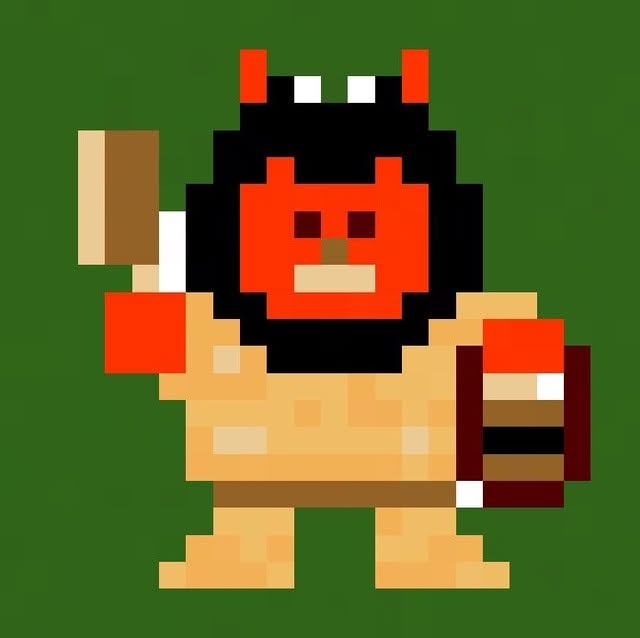 Namahage Are Not Demons — The Idea of the Visiting DeityWith horns and fearsome masks, the namahage of Oga in Akita look exactly like demons, yet households greet them with sake and food, not thrown beans. A gentle look at who they really are, through the idea of the "visiting deity.
 Gataro, Medochi, Enko: The Many Names of the KappaThe kappa is Japan's best-known water yokai, but it goes by different names around the country: Gataro, Medochi, Enko, Hyosube. A gentle tour of its names, its love of cucumbers, and the Kappa-buchi pool in Tono.
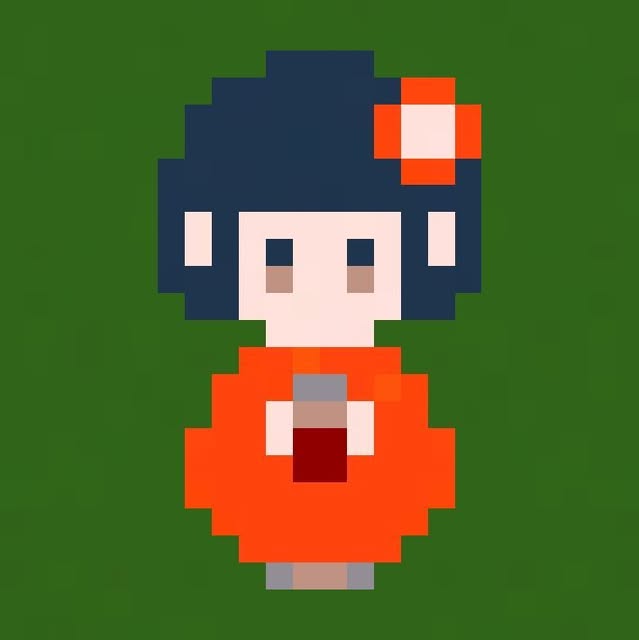 Zashiki-warashi and The Legends of Tono — The Child Who Brings a House Good FortuneThe book that made the zashiki-warashi famous is Kunio Yanagita's The Legends of Tono, where the child spirit is called not a yokai but a god. A gentle look at the child who lives in old houses, as the book tells it.
 Yuki-onna and Hearn's Kwaidan — A Story About a PromiseLafcadio Hearn's "Yuki-onna" in Kwaidan is a ghost story, but it is also a story about a promise. A gentle reading of the tale that made the Snow Woman famous, told through the promise at its heart.
 Yokai, Yurei, or Kami? How Japan Sorts Its Mysterious BeingsYokai, ghosts, and gods can look alike in Japanese folklore. One well-known answer says the difference lies in whether they are worshipped. A gentle look at how Japan sorts its mysterious beings.
 Toriyama Sekien, the Edo Artist Who Gave Yokai Their FacesMany of the yokai shapes we picture today spread from the picture books of Edo artist Toriyama Sekien. What was his Gazu Hyakki Yagyo, and how did he draw the Keukegen and Kamaitachi? A gentle introduction.