STORIES
Zashiki-warashi and The Legends of Tono — The Child Who Brings a House Good Fortune
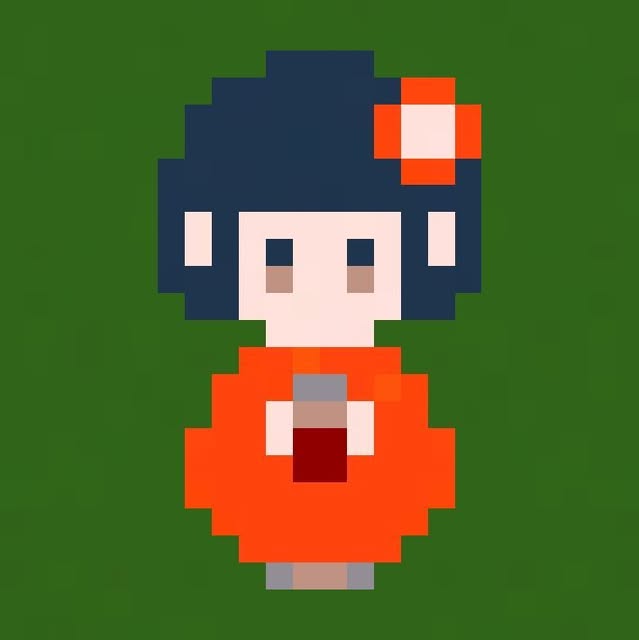
Of all the books that mention the zashiki-warashi, the best known is The Legends of Tono (Tono Monogatari) by Kunio Yanagita. It may come as a surprise, but in that book the zashiki-warashi is called not a yokai but a god. A child spirit who lives quietly in the back rooms of an old family home and brings the household wealth. This time, let's open the book that made this spirit famous.
What is The Legends of Tono?
The Legends of Tono was published in 1910. It's a collection of oral tales from the Tono region of Iwate Prefecture, in Japan's far north. A man from Tono named Kizen Sasaki told the stories, and Yanagita wrote them down as short passages. Kappa (water creatures), mountain men, household deities, children spirited away. The book is packed with strange tales from a land surrounded by mountains.
In his preface, Yanagita writes, roughly, that he wants to tell these stories and make the people of the lowlands shudder. You could say the book takes tales that were part of everyday life in Tono and hands them to readers in the city. It's often described as the starting point of folklore studies in Japan.
A god, not a monster
The zashiki-warashi passages in the book begin along these lines: in old houses, there are quite a few where a god called the zashiki-warashi lives. From the very first sentence it's a god, not a monster or a ghost. Its form is usually that of a child of about twelve or thirteen, and now and then it shows itself to people.
This connects to how Japan has traditionally sorted its "strange beings." If creatures that harm people are yokai and beings that are worshipped are gods (kami), then a spirit that enriches a household clearly stands on the side of the gods. That's why the zashiki-warashi appears in yokai encyclopedias and yet is introduced as a "household guardian."
A meeting in the hallway, a sound in the next room
The zashiki-warashi stories in the book are all quiet ones.
In one, the daughter of an old family has come home for a school holiday when she runs straight into a zashiki-warashi in the hallway and gets a terrible fright. It was clearly a boy, the story says.
In another, the mother of a household is sewing alone when she hears paper rustling in the next room. The master of that room is away, and when she opens the door, no one is there. She sits a while, and then comes a repeated sniffing sound. Ah, she thinks, it's the zashiki-warashi. The passage ends by noting that people had long said a zashiki-warashi lived in that house.
No shouting, no jump scares. You simply bump into one, or you hear a sound. If zashiki-warashi stories feel more nostalgic than frightening today, the book's hushed way of telling them may have a lot to do with it.
The girl spirits and the fate of a house
The book also notes that a zashiki-warashi can be a girl. One old family was long said to have two girl gods living in the house. Then one day a villager met two unfamiliar, beautiful young women near a bridge. Asked where they had come from, they named that old family's house, and said they were on their way to a house in another village. Not long afterward, so the story goes, the people of that old family died from eating poisonous mushrooms.
This is said to be one of the tales behind the belief that when a zashiki-warashi leaves, the house declines. We'll come back to this idea of "houses it lives in and houses it leaves" another time.
From the book of Tono to our Yokaipedia
The book says only this much: a child of about twelve or thirteen, sometimes a boy and sometimes a girl, living in an old house and bringing it prosperity. The familiar look you may have seen elsewhere, a bobbed haircut and a round red face, is said to have grown later, in pictures and stories.
Our Yokaipedia page for the Zashiki-warashi draws that later, friendlier image in pixel art. Set the quiet god of the book beside the child of the encyclopedia, and you can feel how a single yokai has grown over a long stretch of time. For more on the line between spirits and gods, see the Yurei page and our earlier story on how yokai, ghosts and gods differ.