STORIES
Did the Dream-Eating Baku Grow Up in Japan? The Chinese Baku and Ways to Send Bad Dreams Away
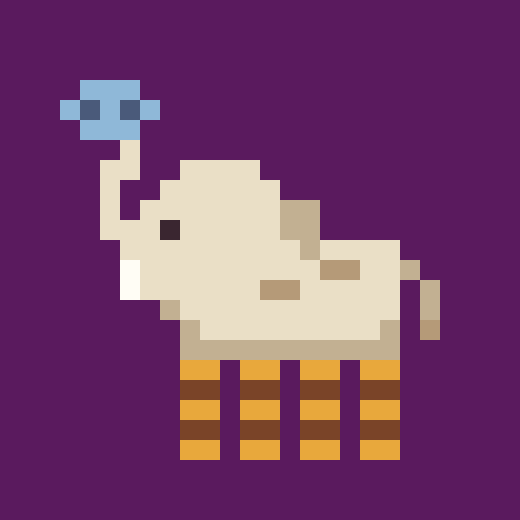
"The baku eats your bad dreams." It's a well-known saying in Japan. Yet in China, the baku's homeland, stories of it eating dreams are said to be almost nowhere to be found in old books. Its looks came from China; its job of eating dreams came from Japan. The baku may be a beast that crossed the sea and was handed a brand-new role.
In China, a beast that wards off evil
In old Chinese lore, the baku is a beast living in the mountain valleys of the south, described as having the trunk of an elephant, the eyes of a rhinoceros, the tail of an ox and the feet of a tiger. Sleeping on its hide was believed to keep sickness away, it is said, and drawing its picture to ward off evil. Its patchwork of animal parts might remind you of a stitched-together monster like the nue, but the baku was never told of as a terror. It was a beast on the side of protecting people.
The Tang dynasty poet Bai Juyi is also known to have written a short piece for a folding screen painted with a baku. Keep a picture of the baku beside you while you sleep, and it protects you from harmful things. This pairing of "sleep" and "protection" may have laid the groundwork for the baku's later link with dreams in Japan.
In Japan, a beast that eats dreams
After it reached Japan, the baku came to be told of as a beast that eats bad dreams. A beast that guards sleepers takes on the worst thing that can happen in sleep: a nightmare. When you think about it, it's a very natural change.
The baku was especially busy at hatsuyume, the first dream of the New Year. We mentioned the custom of sleeping with a treasure-ship picture under your pillow in our article on the makuragaeshi; some of those treasure-ship pictures, it is said, had the character for baku written on them. A treasure ship to bring in good dreams, and a baku to eat the bad ones. For a single night's dream, people stacked up two charms at once.
A morning charm for bad dreams
What did people do on a morning when they woke from a frightening dream? One charm that has been passed down goes: say "I give last night's dream to the baku," and the bad dream won't come true. The idea is not to keep the dream inside you, but to let the baku eat it and be done with it. Telling a child who has had a scary dream, "Don't worry, the baku will eat it," may be one more way this old saying lives on.
There are also stories of people who had a bad first dream of the year floating the treasure-ship picture they'd slept on down a river. Both are small rituals for letting go of a dream you wish you hadn't had. Putting a dream outside yourself, in words or in a picture, makes your heart a little lighter. That bit of wisdom seems to have been handed down in the shape of the baku.
Temple carvings and the tapir at the zoo
You can sometimes spot the baku on temple and shrine buildings, too. If you see a long-nosed beast carved on the "kibana," the decorative block that juts out from the top of a pillar, it might be an elephant, or it might be a baku. They look so alike that telling them apart is surprisingly hard.
By the way, the real long-nosed animal you see at the zoo, the tapir, is called "baku" in Japanese because it borrowed the name of this imaginary beast. Real tapirs don't eat dreams, of course, but hearing the name makes you want to keep a gentle watch over one while it sleeps.
See the baku in detail on its Yokaipedia page. It's fun to compare it with the makuragaeshi, a yokai that plays tricks with your pillow in the night.