STORIES
Yokai Stories
A new yokai story, almost every day.
 Chochin-obake and Oiwa: Hokusai's Lantern and the Yotsuya Ghost StoryA face appearing in a torn paper lantern: the eeriness of chochin-obake comes from a trusted light suddenly gaining a face. From Hokusai's print of Oiwa to a famous lantern trick in the kabuki play Yotsuya Kaidan, a gentle look at lanterns and ghost stories.
 Karakasa-obake, the Yokai That Grew Up in PicturesKarakasa-obake, the hopping umbrella, is one of the best-known yokai in Japan, yet few local legends tell of meeting one. How the shape of a Japanese umbrella became its body, and how it grew popular in toy prints and card games.
 The Nurikabe Has No Shape: The Invisible Wall That Blocks the Night RoadTold of along the coast of Onga District in Fukuoka, the nurikabe is an invisible wall that suddenly stops you on a night road. The old tales say almost nothing about how it looks. Here's how to make it vanish, and a look at yokai named for an experience rather than a shape.
 Why Does the Ittan-momen Fly at Dusk? Twilight and the White Cloth That Sends Children HomeThe ittan-momen, a flying white cloth from the Osumi region of Kagoshima, appears at dusk. A gentle look at why twilight, why white cloth, and how the tale helped send children home before dark.
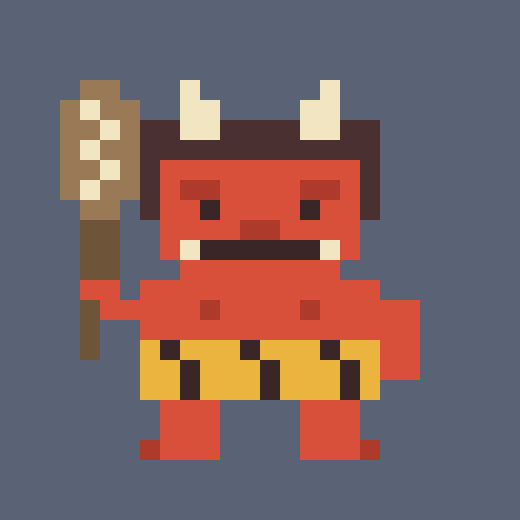 Ox Horns and a Tiger-Skin Loincloth — The Oni's Look and the "Demon GateHorns on its head and a tiger skin around its waist: one well-known theory says the oni's look comes from "ushitora," the northeast direction known as the Demon Gate. A gentle look at how Kyoto guarded that corner, and at the hidden origins of the word "oni.
 The Great Tengu of Mount Kurama and Young UshiwakamaruMount Kurama in Kyoto is said to be home to Sojobo, a great tengu who taught swordsmanship to the boy Ushiwakamaru. A gentle walk through the Noh play "Kurama Tengu" and the reason tengu dress like mountain ascetics.
 The Onibaba of Adachigahara and the Noh Play "Kurozuka" — Fear and SorrowThe Onibaba of Adachigahara preys on travelers, yet in the Noh play "Kurozuka" she first appears as a lonely woman spinning thread and grieving over her life. A gentle look at what happens when the promise "don't look" is broken.
 Namahage Are Not Demons — The Idea of the Visiting DeityWith horns and fearsome masks, the namahage of Oga in Akita look exactly like demons, yet households greet them with sake and food, not thrown beans. A gentle look at who they really are, through the idea of the "visiting deity.
 Gataro, Medochi, Enko: The Many Names of the KappaThe kappa is Japan's best-known water yokai, but it goes by different names around the country: Gataro, Medochi, Enko, Hyosube. A gentle tour of its names, its love of cucumbers, and the Kappa-buchi pool in Tono.
 Zashiki-warashi and The Legends of Tono — The Child Who Brings a House Good FortuneThe book that made the zashiki-warashi famous is Kunio Yanagita's The Legends of Tono, where the child spirit is called not a yokai but a god. A gentle look at the child who lives in old houses, as the book tells it.