STORIES
Rokurokubi and Nukekubi: The Neck That Stretches and the Head That Flies
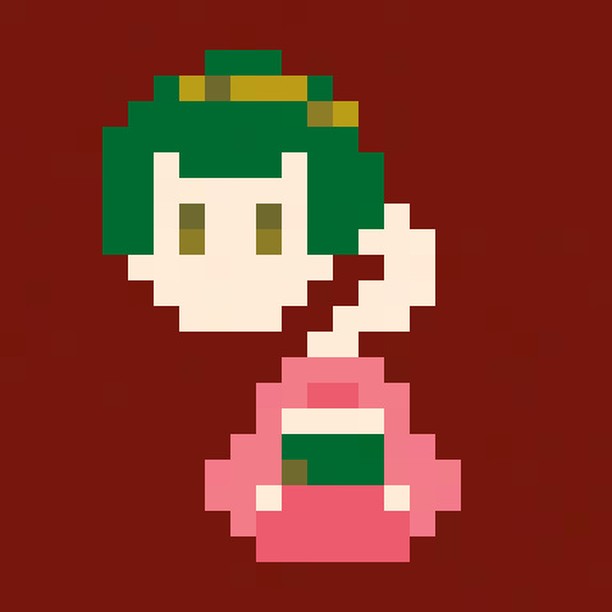
Say "rokurokubi" and most people picture a neck that stretches out long and winding. But follow the old tales and you'll find a second kind: one whose head comes clean off the body and flies through the night sky on its own. That one is called the nukekubi, roughly "the head that slips out." Two yokai with very different personalities share a single name.
The neck that stretches, the head that comes off
In the stretching kind, the head stays attached to the body, and only the neck grows longer and longer. A familiar story has the neck stretching out while the person sleeps, to lick the oil from a paper lantern or to wander outside the room.
The nukekubi is different. Its head and body come completely apart. At night, the head floats out on its own, leaving the sleeping body behind, and around dawn, it's said, it slips back onto the body as if nothing had happened.
In both cases, the person is said to live an ordinary life by day. The difference is how they go out at night. Think of it this way: one goes out still connected by the neck, the other takes the whole head along.
The nukekubi's roots: China's flying heads
The nukekubi has relatives across the sea. Old Chinese books record stories of people in the southern lands whose heads leave their bodies at night and fly about. These were called "feitouman" in Chinese, read "hitoban" in Japanese, meaning something like "the flying-head people."
These stories reached Japan, and in Edo-period books the characters for hitoban were sometimes given the reading "rokurokubi." The Edo artist Toriyama Sekien also drew a rokurokubi labeled with these characters in his yokai picture book Gazu Hyakki Yagyo. The Japanese tales of the nukekubi are thought to overlap with the image of China's flying heads.
As for where the word "rokuro" comes from, there are several theories, and none is settled. A name whose origin is still a mystery suits this yokai rather well.
Lafcadio Hearn's "Rokuro-Kubi" is about a flying head
Lafcadio Hearn, also known as Koizumi Yakumo, introduced Japanese ghost stories to English readers in the Meiji era. His book Kwaidan includes a story titled "Rokuro-Kubi." Despite the title, it isn't about a stretching neck at all. It's a nukekubi story, about heads that come off and fly.
Here's the outline. A traveling monk who was once a samurai asks for a night's lodging at a woodcutter's house deep in the mountains of Kai Province. Waking in the middle of the night, he finds that the bodies of the household have no heads. The monk remembers an old belief: if a nukekubi's body is moved, the head can't get back. And so he acts. After the frightening scenes, the story ends on a strangely comic note, which is part of its charm. Kwaidan also has a famous snow woman story, which you can read about in our story on the yuki-onna and Kwaidan.
A thin line around the neck
There's also an old belief that you can spot a nukekubi by day. A person with a thin line running all the way around the neck, like a ring, is said to be one. It's the mark of the seam where the head comes off and goes back on.
Many tales also say the person has no idea their head leaves at night. In the morning they wake with only the feeling of having dreamed of flying. It's meant to be a frightening yokai, yet somehow you end up feeling sorry for it.
Another head yokai is the tsurube-otoshi, whose head drops from the treetops. For how it differs, see our story on the tsurube-otoshi. You'll find the rokurokubi's pixel art and legend on its Yokaipedia page.