STORIES
Yorimasa and the Nue: Reading the Tale from the Archer's Side and the Creature's
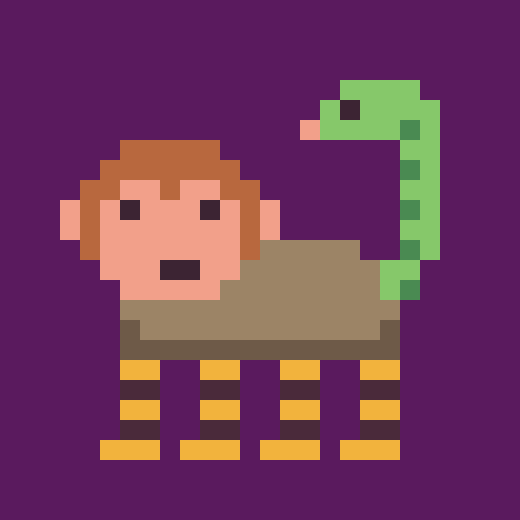
The nue is usually remembered as "the monster that got slain." But there's a work that retells the very same event from the side of the creature that was shot down: the Noh play "Nue." In The Tale of the Heike, the hero of the scene is a master archer. On the Noh stage, it becomes the quiet monologue of the one who sank into darkness. Put the two side by side, and the story gains real depth.
A black cloud over the palace, night after night
According to The Tale of the Heike, the nue appeared during the reign of Emperor Konoe. Late each night, the story goes, a black cloud rose out of nowhere and covered the imperial palace, and each time the emperor was badly frightened and fell ill.
High-ranking monks offered prayers, but nothing helped. So it was proposed that warriors stand guard through the night. Dealing with malevolent spirits was normally the job of monks. Handing it to warriors meant facing the uncanny as something that could be seen, and shot.
Yorimasa the archer, and a prayer before the shot
The man chosen was Minamoto no Yorimasa, a warrior of the Minamoto clan. He was famous for his skill with the bow, and just as famous as a fine poet.
That night, too, the black cloud settled over the palace, and inside it something strange could be seen moving. Yorimasa, it is said, silently prayed to Hachiman, the guardian god of warriors, before letting his arrow fly. It struck home, and the shape tumbled to the ground. His retainer, waiting close by, rushed over and finished it with a sword.
When they brought a light closer, they saw a monkey's head, a tanuki's body, a snake for a tail, and a tiger's legs. Its cry, the tale notes, sounded like that of the nue, a night bird. With no name for the creature itself, people could only call it after the bird whose voice it shared. You can read more about where the name came from on the nue's Yokaipedia page.
For his deed, Yorimasa received a reward from the emperor, and the tale says that even then he answered with a splendid poem. He is portrayed as a man gifted both in arms and in verse.
The Noh play "Nue": a monologue from the one who was shot
The Noh play based on this story is called "Nue," and it is attributed to Zeami, the great Noh playwright. In short, it goes like this.
A traveling monk stops for the night at a small temple hall by the water in Ashiya, in the old province of Settsu. Late at night, a strange figure arrives in an utsubo-bune, a boat hollowed out of a single log. The figure reveals that it is the ghost of the nue shot down by Yorimasa, and begins to tell how its body was sealed in that boat and set adrift on the river.
The nue of the Noh stage looks back quietly on why it was shot. Yorimasa rose to fame through his deed, while it sank into darkness. Telling of that contrast, the nue asks the monk for salvation, and finally fades away into the dark.
In The Tale of the Heike, the nue never says a word. It is simply "a thing of unknown nature." The Noh play gives it a voice, and seems to ask whether the one who was shot might also have had something to say.
Find the nue in the Yokaipedia and on the map
For the nue's appearance and the story of the night bird behind its name, see the nue's Yokaipedia page. On the Yokai Map, the nue pops up around Kyoto. And for another tale of a Minamoto warrior facing a fearsome creature, try the page for Shuten-doji, where Minamoto no Raiko takes the stage.
If, late at night, you ever hear a thin, flute-like birdcall from somewhere unseen, remember: people long ago sensed something hidden behind that very sound.