STORIES
When Did Nurarihyon Become the "Supreme Commander"? An Unexplained Old Picture and a Personality Added Later
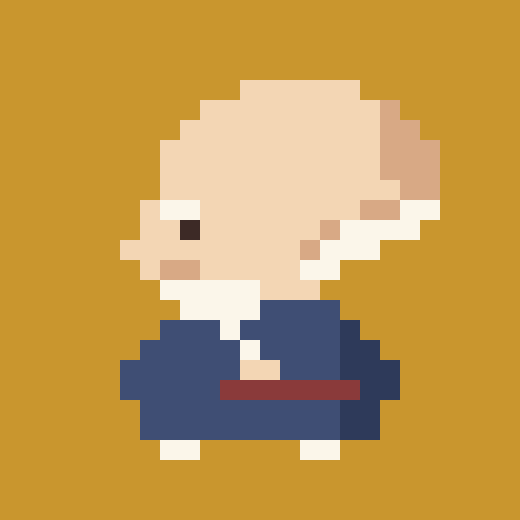
Say "nurarihyon," and many people in Japan will answer: "the supreme commander of the yokai." Yet if you trace him back through the old Edo-period pictures, you won't find anything saying he led the other yokai. In those pictures, nurarihyon is a yokai who says almost nothing at all. The personality known today was added, bit by bit, in later times.
In the old pictures, nurarihyon says nothing
In the Edo period, artists made picture scrolls showing yokai one after another, each in its own frame. One of them is the Hyakkai Zukan (Illustrated Scroll of a Hundred Monsters) by the painter Sawaki Suushi, and nurarihyon is drawn in it. In scrolls like this, each yokai usually gets little more than its name. There's almost nothing about where it appears or what it does.
Nurarihyon also appears in Toriyama Sekien's Gazu Hyakki Yagyo (The Illustrated Night Parade of a Hundred Demons). Here, too, there's almost no explanation beside the picture. What we see is an old man in a kimono, the back of his head bulging out. The strange shape of his head catches the eye, but the picture tells us nothing more. You can read more about Sekien and his book in our story on Toriyama Sekien.
"Nurari" and "hyon": imagination born from a name
For a yokai with no explanation, the name is one of the few clues. "Nurari," as in "nurari-kurari," describes something slippery, sliding out of your hands just as you try to catch it. "Hyon," as in the phrase "hyon na koto kara" ("by some odd chance"), is a word for the unexpected and the strange. The name nurarihyon is thought to come from words like these.
Someone slippery, impossible to pin down, who turns up suddenly where you least expect him. The sound of the name alone conjures up that kind of character. It seems likely that nurarihyon's personality was first imagined from his name.
When did he become the "supreme commander"?
In modern times, and especially in the Showa era (1926 to 1989), books introducing yokai began to appear one after another. In them, yokai that had only a name in the old pictures were given written explanations. Nurarihyon, too, came to be described as a kind of boss of the yokai, or as an old man who slips into your house on a busy evening and makes himself at home.
These descriptions were later passed on to children's yokai encyclopedias, manga, anime, and more, and the image of "Nurarihyon, supreme commander of the yokai" spread across the country. The important point is that these are different from the legends handed down in villages for generations. It is said that hardly any folk tales about nurarihyon have been collected from around Japan.
No explanation, so the imagination grows
So is today's nurarihyon a "fake"? Not really. Yokai are, after all, creatures that people in every era have raised by layering their imagination onto pictures and names. Sekien himself is said to have created new yokai out of wordplay. The keukegen, whose name hides a play on words, is thought to be one such example.
What matters is enjoying the difference between what was drawn in the old pictures and what later times imagined. You'll find nurarihyon on his Yokaipedia page. What was that old man in the picture thinking? Imagining your own story for him is one more way to enjoy yokai.